
Turning story time into meaningful conversations without forcing it
“What’s this book REALLY about?”
If a child has ever hit you with this question mid-story, you know the panic. Do they want the plot summary? The deeper meaning? Are they testing you?
Here’s the secret: they usually just want to connect. And that’s easier than you think.
When Kids Ask About “The Bumpy Pumpkin”
The surface answer: “It’s about a pumpkin that looks different from the others.”
But kids are smart. They know there’s more. Here’s how to navigate their curiosity without turning story time into a lecture.
The Age-Appropriate Approach
Ages 3-5: Keep it concrete “The bumpy pumpkin has bumps, and the other pumpkins are smooth. But someone loves the bumpy one best!”
They’re not ready for metaphors. They just need to know that being different is okay.
Ages 6-8: Make connections “Have you ever felt different from other kids? That’s how the pumpkin feels. But being different turned out to be good!”
They can connect story to life without you spelling everything out.
Ages 9+: Let them lead “What do you think it’s about?” Then actually listen. Their answer tells you what they need to discuss.
The Questions Kids Really Ask
When kids ask about stories, they’re often asking:
- “Could this happen to me?”
- “Am I like this character?”
- “Is it okay to feel this way?”
- “What would you do?”
How to Keep Conversations Natural
Don’t Force the Message
Bad: “This book teaches us that everyone is special and we should always include others and appreciate differences and…”
Good: The Bumpy Pumpkin found where it belonged. Cool, right?”
Use Their Language If they say the pumpkin is “weird,” go with it. “Yeah, it’s weird! And someone loved that weird pumpkin best.”
Connect to Their World “Remember when you were the only one who brought carrots for snack? You were the bumpy pumpkin that day!”
Small, specific connections work better than grand life lessons.
When They’re Not Ready to Talk
Sometimes kids just want the story. That’s fine. Research on children’s literature shows that kids absorb messages even without discussion. The seed is planted.
Signs they’re processing internally:
- Drawing pictures from the story later
- Referencing it randomly (“Like the bumpy pumpkin!”)
- Reading it repeatedly
- Acting it out with toys
The Tricky Questions
“Why don’t the other pumpkins like the bumpy one?” Honest answer: “Sometimes others don’t understand what makes someone special at first.”
“What if nobody picked the bumpy pumpkin?” Validate the fear: “That would feel sad. But there’s always someone looking for exactly what makes us different.”
“Am I bumpy?” Celebrate it: “What makes you bumpy? Those are your best parts!”
Avoid These Conversation Killers
- Turning every story into a lesson
- Using big abstract words they don’t understand
- Talking more than listening
- Correcting their interpretation
- Pushing when they’re done talking
The Follow-Up Magic
The best conversations happen later:
- In the car: “I was thinking about that bumpy pumpkin…”
- At dinner: “Everyone share your bumpy thing today”
- Before bed: “What was your favorite part?”
- Next week: “Remember that book about…?”
Delayed discussions often go deeper because kids have had time to process.
When to Seek Deeper Discussion
If a child repeatedly asks about:
- Rejection or not fitting in
- Being different or “wrong”
- Specific situations matching the story
They might be working through something real. That’s when you gently explore: “Is there a bumpy pumpkin feeling in your life?”
The Professional Perspective
Children often communicate through story references. A child who constantly talks about The Bumpy Pumpkin might be processing feelings about their own differences.
That’s not concerning. That’s healthy processing.
Your Permission Slip
You don’t need to:
- Have perfect answers
- Understand every metaphor
- Force deep conversations
- Turn every book into therapy
You just need to:
- Be present
- Listen
- Answer honestly
- Follow their lead
The Bottom Line
When kids ask what a book is really about, they’re inviting you into their thought process. That’s a gift. Don’t overthink it.
Sometimes “It’s about a cool bumpy pumpkin” is the perfect answer.
Sometimes it opens a door to something more.
Both are exactly right.
Next post: A special family activity that celebrates everyone’s unique “bumps” (no craft skills required)!
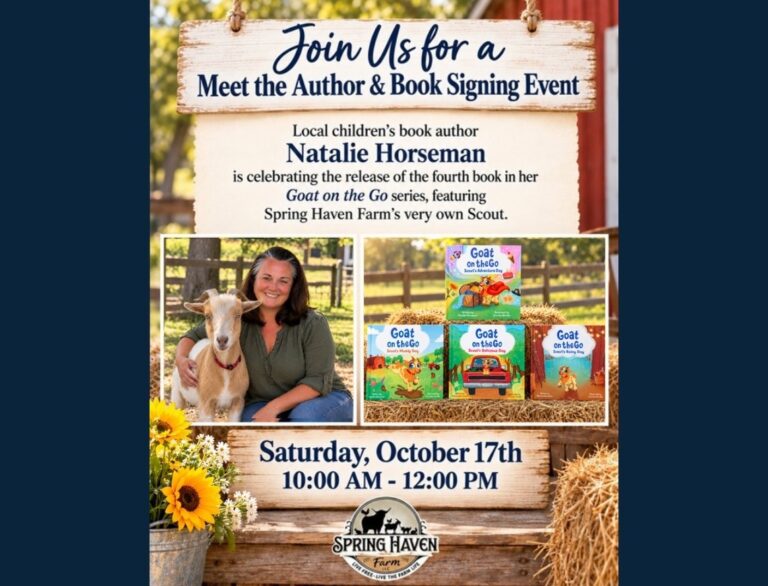 Our Book Launch Party at Spring Haven Farm
 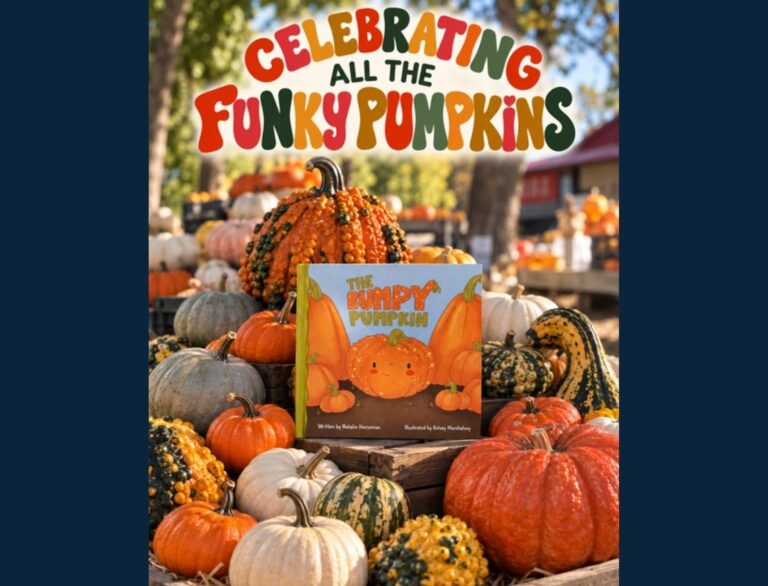 Do You Love Funky Pumpkins?