What author visual branding actually means and where to start when you have no idea
When I started publishing, I thought “author branding” meant having a logo.
It is considerably more than that, and it is also considerably more accessible than most authors realize.
Visual branding is not about being a designer. It is about being consistent, intentional, and honest about who you are and what you write. And once you understand what it actually is, building it becomes much more manageable.
What Visual Brand Actually Means
Your visual brand is the feeling a reader gets when they encounter your work anywhere online. It is the immediate, often unconscious impression formed before they read your bio or click through to your Amazon page.
It communicates: this is the kind of author I am, this is the kind of book you will get from me, this is the emotional experience I am offering you. A children’s book author and a thriller writer should feel different. A cozy mystery author should feel different from a literary fiction author. These differences are communicated primarily through visual choices: color palette, typography, photography style, graphic design tone, and the kind of images and video that appear in your content.
When those choices are consistent, readers recognize your work instantly. When they are inconsistent or absent, readers cannot connect the dots between your platforms, your books, and your presence.
Start With Your Book’s Emotional Core
The most grounded place to start building your visual brand is with the emotional experience of your book. Not the plot. The feeling.
Ask yourself: when a reader finishes your book, what do you want them to feel? For In the Wide, Wild World, the answer involves the warmth of being seen, the comfort of knowing you belong, and the quiet reassurance that love is what makes a family. For Blackwater Parish, the answer involves tension, recognition, and the satisfaction of a mystery finally surfacing.
Those feelings can be translated into visual choices. Warm, bright palettes and playful typography communicate wonder. Atmospheric, moody imagery and high-contrast design communicate suspense. Your visual brand begins when you make choices aligned with your book’s emotional core rather than with whatever happens to be available.
The Three Things That Matter Most
If you are starting from nothing, concentrate your energy on three things.
Your profile image matters more than most authors think. A professional, well-lit photograph that reflects the tone of your work does significant work in establishing credibility and approachability. This does not require a professional photographer, though that helps. It requires thought, good light, and a background that does not compete with your face.
Your graphics need to be consistent. When you share content on social media, the visual style of that content should be recognizably yours across posts. This means consistent fonts, consistent color choices, and a consistent approach to how imagery and text are combined. Random, inconsistent graphics make it hard for readers to form a reliable impression of who you are.
Your Amazon listing needs to visually represent your brand. This is where A+ content becomes part of your branding strategy, not just your sales strategy. The imagery and design choices on your listing should feel like a continuation of your wider visual presence.
The Cinematic Difference
One of the shifts I have observed in author marketing over the last few years is the move toward cinematic content, particularly video, as a primary engagement tool.
Video communicates what static images cannot: atmosphere, movement, emotional build. A fifteen-second clip that captures the feeling of a book can reach readers who would scroll past a static graphic. Short-form video on platforms like Instagram and TikTok has become one of the most effective tools for book discovery.
This does not mean you need to produce Hollywood-quality content. It means your video content should be intentional, visually cohesive with your wider brand, and built around the feeling of your book rather than a list of its features.
The Honest Reality
Building a visual brand takes time and some investment, either of your own time to learn these skills or of resources to get help with the parts outside your expertise. Not every author has both.
What every author does have is the ability to be intentional. To make choices about color and tone and imagery that are connected to the emotional heart of their work, rather than random or reactive.
Intentional is the starting point. Professional tools, cinematic content, and optimized listings are the next level. If you are ready for that next level and need support getting there, Author Visibility Studio was built for exactly this moment in your author journey.
Start where you are. Make intentional choices. Build from there. Your visual brand is not separate from your writing. It is the door readers walk through to find it.
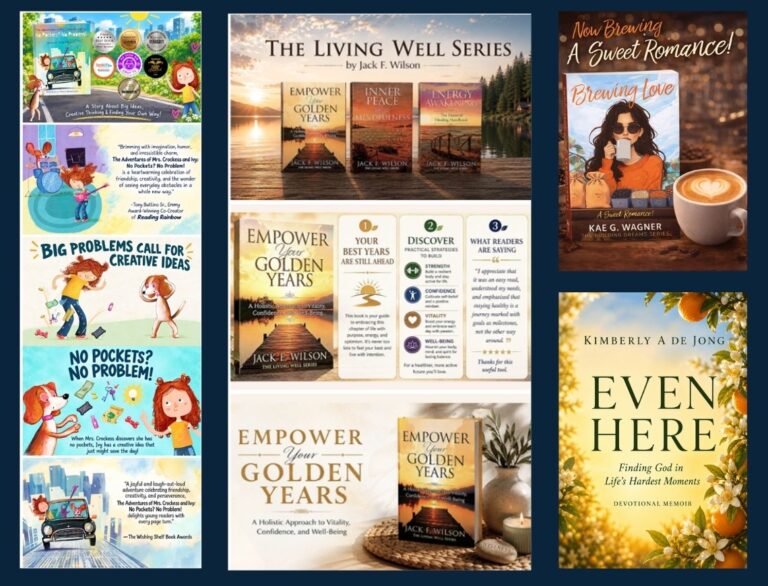 Bringing Other Authors’ Books to Life in Graphics
  Graphics and Why They Belong Everywhere