January 21, 2026
A peek behind the curtain of self-publishing and the readers who make it possible
People sometimes ask me who my publisher is.
When I say Horseman Publishing, there's occasionally a pause. "Is that... your name?"
Yes. Yes it is.
I'm what's called an indie author, which is short for independent author. And today I want to pull back the curtain on what that means and why readers like you are the reason indie authors can exist at all.
Traditional vs. Indie: The Quick Version
In traditional publishing, an author writes a book and submits it to literary agents. If an agent loves it, they pitch it to publishing houses. If a publishing house buys it, they handle editing, cover design, printing, distribution, and marketing. The author gets an advance and royalties, but the publisher makes most of the decisions.
This process can take years. Many wonderful books never make it through.
Indie publishing flips the script. The author handles everything themselves or hires professionals to help. Editing, cover design, formatting, printing, marketing. All of it.
There's no gatekeeper deciding if your story deserves to exist. But there's also no giant company with a marketing budget behind you.
It's freedom and responsibility rolled into one.
Why I Chose Indie
When I wrote the Goat on the Go series and The Bumpy Pumpkin, I had a choice. Spend years querying agents and hoping someone would take a chance on a nurse with a goat and a pumpkin story. Or learn the indie process and bring my book into the world myself.
I chose the second path.
Not because I think traditional publishing is bad. Plenty of amazing books come through that route. But because I wanted to hold my story in my hands sooner rather than later. Because I wanted creative control over how my books look and feel. Because I believed in these stories even if no one else had validated them yet.
Horseman Publishing was born in my living room, fueled by determination and an unreasonable amount of coffee.
What Indie Authors Do
Here's what goes into each book I create:
Writing and revising (many, many times). Hiring an illustrator and collaborating on every page. Working with editors to polish the text. Formatting the interior for print and digital versions. Designing or approving cover layouts. Setting up printing and distribution. Managing all the business details like ISBNs and copyrights. Creating marketing materials. Building a website. Writing blog posts (hello!). Handling social media. Planning events and school visits. Shipping books. Answering emails. Keeping the whole operation running while also working full time as a nurse.
It's a lot. I won't pretend otherwise.
But it's also mine. Every decision, every detail, every late night. Mine.
Where You Come In
Here's the part that might surprise you: indie authors live and die by reader support. Not in a dramatic way, but in a very real, practical way.
Traditional publishers have marketing teams, publicity departments, and relationships with bookstores. They can get books onto shelves and into the spotlight.
Indie authors have you.
Reviews Are Gold
I cannot overstate how much reviews matter.
When you leave a review on Amazon or Goodreads or anywhere books are sold, you're doing more than sharing your opinion. You're telling the algorithm that this book matters. You're helping other parents and teachers discover it. You're giving a small author credibility in a crowded marketplace.
A book with 50 reviews looks legitimate. A book with 5 reviews, no matter how good it is, gets overlooked.
Your review doesn't need to be long or eloquent. "My kids loved this!" is perfect. "Great message about being different." Wonderful. "We read it every night." Amazing.
Two sentences can change everything for an indie author.
Word of Mouth Is Magic
When you tell a friend about a book you loved, you're doing marketing that money can't buy. Genuine recommendations from real people carry more weight than any advertisement.
"You should get this for your kids" from a trusted friend is worth more than a billboard.
Every time you mention Scout or the bumpy pumpkin to another parent, teacher, or librarian, you're helping these stories find new homes. You're keeping a small publishing dream alive.
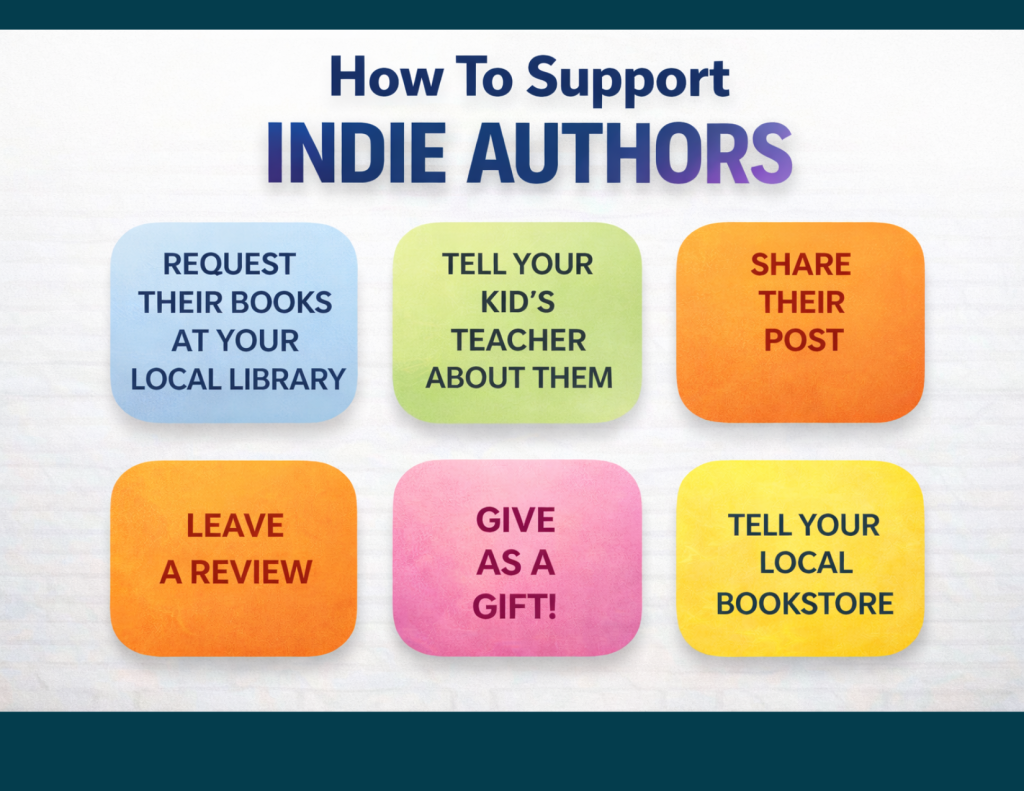
How to Support Indie Authors
If you want to support indie authors (me or anyone else), here are the most impactful things you can do:
Leave reviews, even short ones. Tell friends and family about books you love. Request indie books at your local library. Choose indie when possible for gifts. Follow and engage on social media. Show up to events and book signings. Send a kind message (we read every single one).
The Thank You That Never Ends
Every review, every recommendation, every message saying your child loved Scout means more than I can express.
You're not just supporting a book. You're supporting a dream that started in a living room with a bumpy pumpkin and a belief that stories matter.
Thank you for being part of this. Truly.
Recent & Related Posts: