February 24, 2026
A small rectangle of paper that opens an entire universe
I still remember the weight of my first library card. It wasn't heavy, obviously. It was a thin rectangle of laminated paper. But it felt like holding a key to every world that ever existed.
That feeling hasn't gone away. And in a world where everything seems to cost more every year, libraries remain one of the last truly magical free things available to families.
The Underestimated Power of "Free"
Think about what a library card actually gives a child. Unlimited books. Not five books or ten books. Unlimited. Any topic, any reading level, any interest, as many times as they want to visit. For free.
In a world where a single picture book costs between ten and eighteen dollars, a library card is basically a golden ticket. A child who visits the library weekly and borrows five books has access to over 250 books a year. The cost? Zero dollars. The value? Immeasurable.
More Than Books
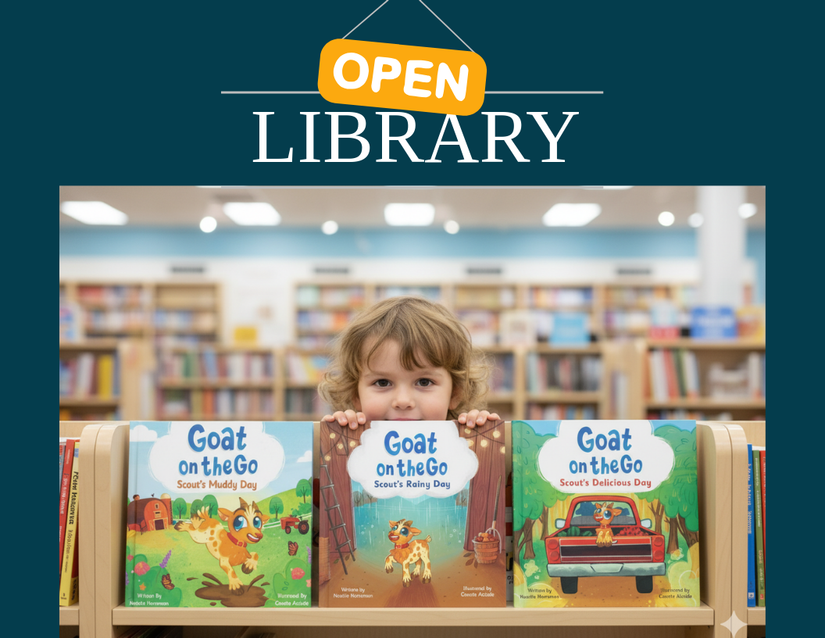
Modern libraries have evolved far beyond rows of shelves. Most libraries now offer story time programs with trained children's librarians. Many have maker spaces, computer access, educational programs, and summer reading challenges that keep kids engaged year round.
Some libraries lend toys, puzzles, science kits, and museum passes. Some have recording studios and 3D printers. But at their core, they still do what they've always done: they put stories in the hands of anyone who walks through the door.
The Independence Factor
There's something powerful about a child choosing their own books. At the library, nobody tells them what to pick. Nobody says "that's too easy" or "that's not appropriate for your level." They browse, they explore, they follow their curiosity wherever it leads.
I've watched kids spend thirty minutes in the library choosing books with the intensity of someone making life decisions. Because for them, it is a big decision. These are the stories they're bringing home. These books will be read at bedtime, during breakfast, in the car. The choosing matters.
That autonomy builds confidence. It tells kids their interests are valid. It says "your choices matter."
The Librarian Effect
Can we talk about children's librarians for a moment? These people are superheroes in comfortable shoes.
A good children's librarian knows books the way a sommelier knows wine. They can take a vague description like "my kid likes animals but not realistic ones, and also maybe something funny" and hand you exactly the right book in thirty seconds.
They remember your child's name. They set aside books they think your family might enjoy. They create programs that make reading feel like a party. They never make a child feel embarrassed about their reading level or their choices.
If you haven't introduced yourself to your local children's librarian, do it this week. They will become one of your family's greatest resources.
The Ritual of the Visit
Making library visits a regular part of your routine does something subtle but important. It normalizes books. It makes story hunting a regular activity, like grocery shopping or going to the park.
Some families do Saturday morning library runs. Some go after school on Wednesdays. Some visit whenever the book bag gets empty. The schedule doesn't matter. The consistency does.
Kids who grow up visiting libraries develop a relationship with books that extends beyond any single story. They learn that there will always be another book waiting. That stories are renewable, abundant, and available to them.
My nursing career taught me that access matters. In healthcare, access to resources changes outcomes. The same is true with literacy. Children who have easy access to books read more. Children who read more develop stronger skills. It's that straightforward.
The Community Connection
Libraries are also one of the few remaining community spaces where people of all backgrounds gather around a shared purpose. At story time, your child sits next to kids from different families, different neighborhoods, different circumstances. They share the experience of a story together.
That matters. Especially now. Libraries remind us that some things still belong to everyone.
What You Can Do
Get that library card. If your child doesn't have one yet, make it an event. Let them sign their name. Let them feel the weight of that small card. Let them know that it opens doors to everywhere.
Then use it. Regularly. Imperfectly. With overdue books sometimes (the fines are usually forgiving, and many libraries have gone fine free). With books that get returned with mysterious sticky spots. With visits that last five minutes because someone had a meltdown in the picture book section.
It all counts. Every visit, every book borrowed, every story time attended.
A library card costs nothing and gives everything. In a complicated world, that's a kind of magic worth holding onto.
Recent & Related Posts: