
August 13, 2025
How to Transform Life's Messy Moments into Children's Literature Magic
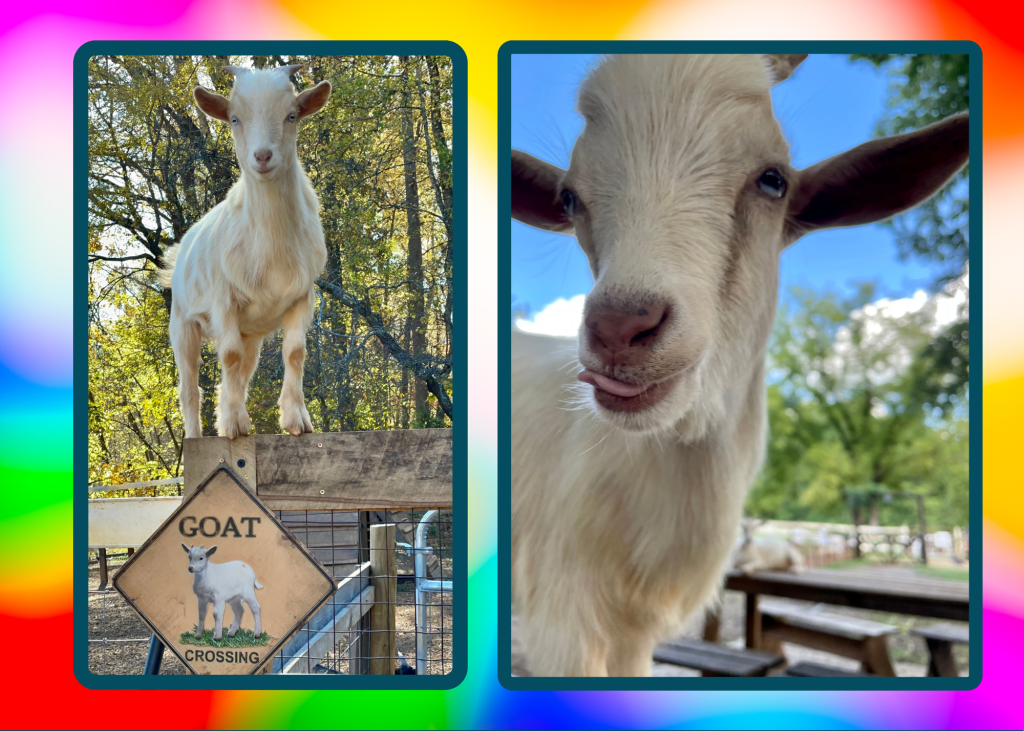
If you've ever wondered where story ideas really come from, let me introduce you to Scout—a real goat who became the unlikely star of a children's book series simply by being his mischievous self.
It all started with farmyard chaos. Scout had a talent for escaping his pen and causing delightful mayhem, and every time I shared his latest adventure, people would laugh and say, "That goat needs his own book!" So I grabbed a notebook and discovered something magical: the best children's stories often hide in the most ordinary moments.
The Secret Ingredient: Looking Beyond the Surface
The first step in turning real life into children's literature wasn't just recording what Scout did—it was understanding why his adventures mattered. Sure, he got into mud puddles and wandered away from the farm, but what made these moments story-worthy?
Step 1: Identifying Universal Themes
Every great children's story touches on themes that kids instinctively understand. In Scout's real-life adventures, I discovered:
Curiosity and exploration - That irresistible urge to see what's beyond the fence
Natural consequences - Getting muddy means bath time (whether you want it or not)
Finding your way home - The comfort of knowing safety is always there
Growing independence - Testing boundaries while staying connected to family
For aspiring writers: Look for the emotional truth underneath the surface action. What feelings will kids recognize from their own lives?
Step 2: Creating Emotional Stakes
Real life is wonderfully random and chaotic, but stories need structure and stakes. Scout's actual escapades were funny, but they weren't necessarily dramatic. My job was to find the moments where readers would genuinely care about what happened next.
In "Scout's Muddy Day," the emotional stakes come from
Finding Your Own Scout: Where to Look for Story Ideas
Capture the Spark
I keep a notebook specifically for story moments because inspiration strikes at the oddest times. The key is recognizing when a moment has that special something.
Scout's Muddy Day started with: An escape goat covered in mud, hay and feathers.
Scout's Delicious Day began with: The memory of our real Scout always finding the sweet treats.
Ask the Right Questions
Once you spot potential inspiration, dig deeper:
The Magic Formula: Authentic Emotion + Universal Experience
The reason Scout's stories work isn't because goats are inherently interesting (though they are!). It's because his experiences mirror the emotional landscape of childhood: the pull of curiosity, the thrill of independence, the comfort of belonging, and the joy of returning home.
Every child has felt the magnetic draw of the forbidden puddle, the urge to explore beyond safe boundaries, and the relief of finding their way back to love and security.
Your Turn: Start Looking for Story Gold
Story ideas aren't hiding in exotic locations or extraordinary circumstances. They're in:
The most powerful children's stories often come from the smallest, most authentic moments—the ones that make you smile or remember what it felt like to be small in a big world.
Remember: You don't need a perfect idea to start. You just need genuine curiosity about a moment, a character, or a feeling that seems to shimmer with possibility.
Stay tuned…I'll share the nuts and bolts of my actual writing process from that terrible first draft to the revision magic that brings stories to life. Because having a great idea is just the beginning of the adventure.
Ready to start your own story hunt? Grab a notebook and start noticing. Your Scout might be closer than you think.
Recent & Related Posts: