
When going back to old favorites isn’t regression. It’s wisdom.
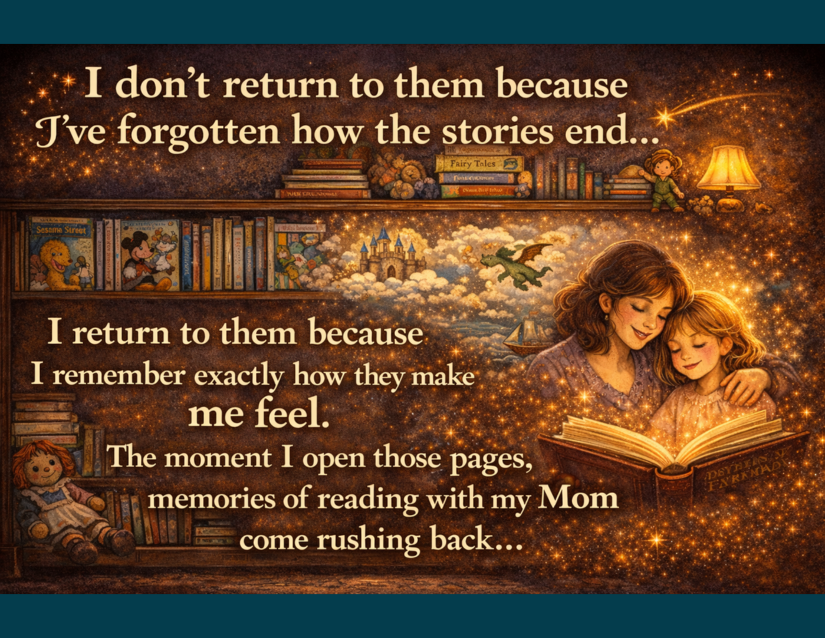
I have an antique four-shelf book cabinet filled with storybooks from the 80s. I don’t return to them because I’ve forgotten how the stories end. I return to them because I remember exactly how they make me feel. The moment I open those pages, memories of reading with my mom come rushing back, warm and vivid, wrapped in a kind of joy that only stories from childhood can hold.
If rereading old favorites ever feels like a guilty pleasure or a step backward, let me gently reassure you: it’s neither. It’s a quiet way of reconnecting with the moments, emotions, and family memories that shaped your love of stories in the first place.
Why We Return
Think about the last time you rewatched a favorite movie or replayed a beloved song. You didn’t do it for new information. You did it for the feeling.
Familiar stories work the same way. They activate neural pathways associated with comfort, safety, and emotional regulation. Your brain recognizes the patterns, relaxes into them, and releases the tension of uncertainty.
When life feels unpredictable, returning to a story where you know exactly what happens is profoundly soothing. Not because you’re avoiding reality, but because you’re regulating your nervous system. You’re giving your brain a rest from the constant work of processing new information.
This is true for children and it’s true for adults. The mechanism doesn’t expire.
What Kids Get from Rereading
We talked about the science of repetitive reading in an earlier post, the vocabulary building, the comprehension layers, the neural pathway strengthening. But there’s an emotional dimension that deserves its own attention.
When a child returns to a familiar book, they’re choosing comfort. They’re selecting a known emotional experience in a world full of unknowns. That’s not laziness or limited taste. That’s self care.
A child who asks for The Bumpy Pumpkin for the hundredth time might be seeking the reassurance that being different is still okay today. A child who wants Scout’s Rainy Day again might need to see that disappointment is survivable. They’re not just rereading. They’re reinforcing beliefs they need to hold onto.
What Adults Get from Rereading
Here’s something most people don’t talk about: adults need comfort reading too.
When you’re overwhelmed by work, parenting, news, and the general chaos of being alive, picking up a familiar book is not a waste of time. It’s a reset. A few pages of something you love, and your shoulders drop. Your breathing slows. The world shrinks back to a manageable size.
I keep picture books in my nightstand. On hard days, I’ll flip through them before bed. Not because I need the reading practice, but because the combination of beautiful illustrations and simple, true words does something that nothing else quite replicates.
The “You Should Be Reading Something New” Myth
There’s a strange cultural pressure to always be reading something new. Something current. Something challenging. And yes, new books expand your mind and introduce fresh perspectives. That matters.
But the idea that rereading is somehow lesser? That’s a myth. Studies on reading behavior consistently show that rereading improves comprehension, increases emotional connection to text, and enhances the overall reading experience.
Musicians don’t just play new pieces. They return to the ones that shaped them. Athletes don’t just learn new techniques. They practice the fundamentals. Rereading is the reader’s version of this: returning to what matters to deepen your understanding of it.
The Conversation Bridge
Rereading creates unique conversational opportunities. When you and your child both know a story well, you can discuss it differently than you would a new book.
“What do you notice this time that you didn’t notice before?” “How do you feel about the ending now compared to the first time?” “Does this part feel different to you than it used to?”
These questions work because familiarity breeds depth. You’re not decoding the plot anymore. You’re exploring the layers beneath it.
Some families develop rereading traditions. The book they read every Thanksgiving. The story that marks the start of summer. The picture book that gets pulled out on hard days as a family comfort ritual.
These traditions become emotional anchors. They say: no matter what changes, this story is here. This feeling is accessible. This comfort is available.
Permission Granted
If you’ve been feeling guilty about reaching for the same book again, stop. You’re not being unimaginative. You’re being wise. You’re choosing to revisit something that nourishes you.
Read the new books too. Absolutely. Explore. Discover. Be surprised.
But when you need steadiness, when you need the literary equivalent of a warm blanket and a cup of tea, go back to the old ones. They’ve been waiting for you.
They always will be.
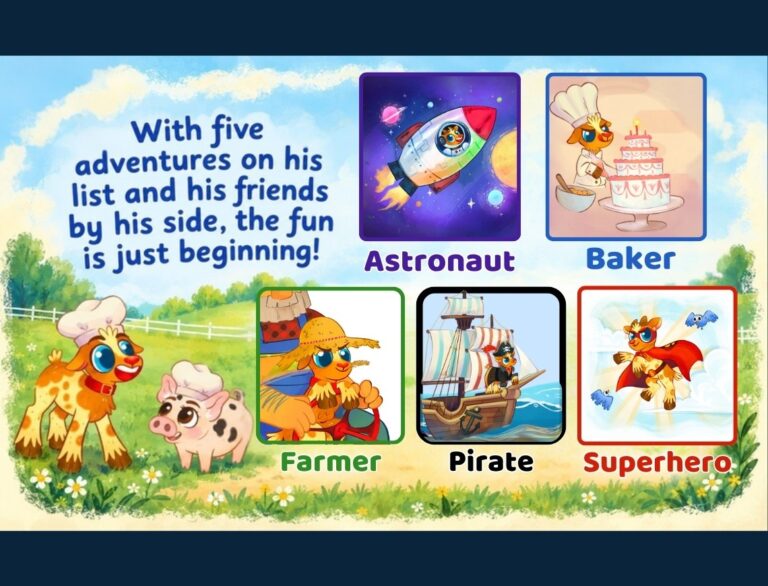 The Serious Business of Pretend: Why Imaginative Play Matters
 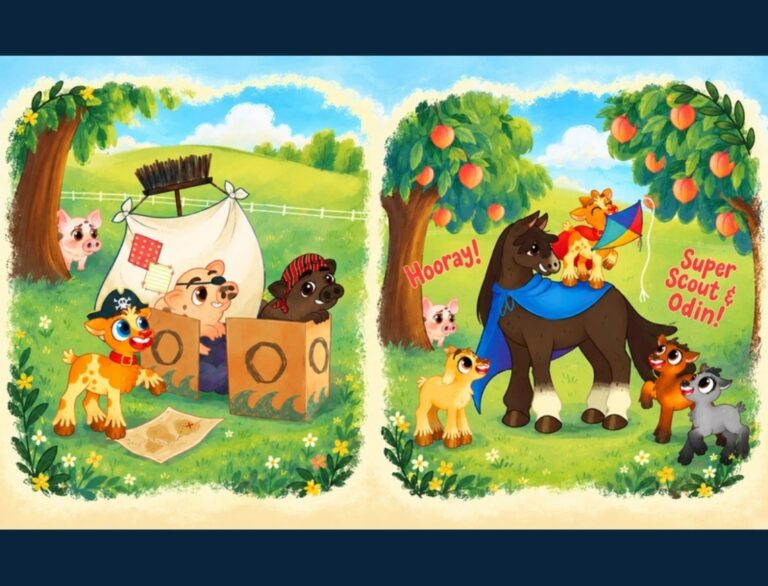 The Quiet Themes Inside Scout’s Adventure Day