
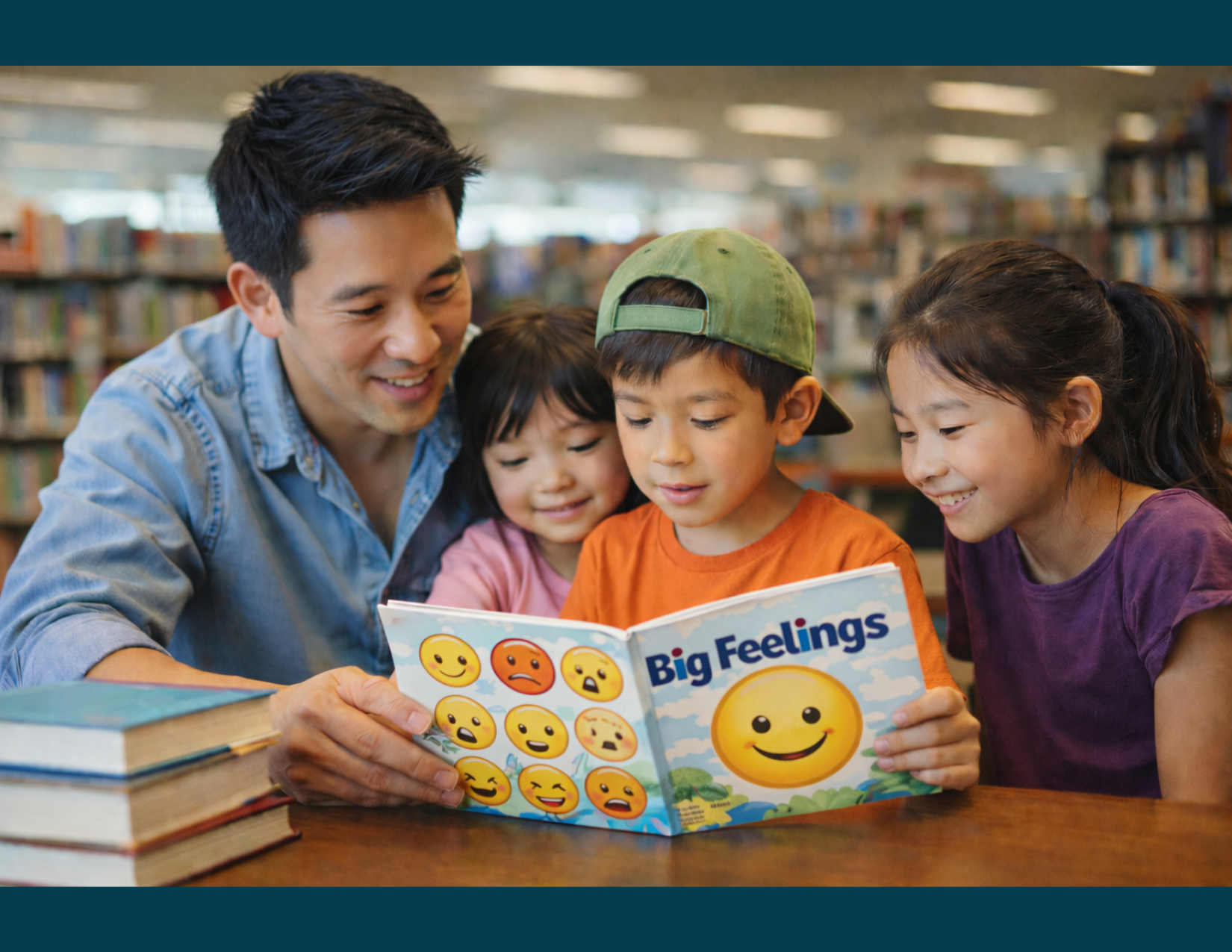
A guide to matching books with life’s big moments, big feelings, and big challenges
Sometimes a child needs a story more than they need a conversation.
Not because conversation isn’t valuable. It absolutely is. But because the right book can do something that direct discussion often cannot. It can show a child they’re not alone. It can give them language for feelings they couldn’t name. It can open doors to conversations that might have stayed shut.
This is sometimes called bibliotherapy, which is just a fancy word for using books to help with life. Parents have been doing it instinctively forever. Here’s how to do it more intentionally.
When Your Child Feels Different
Every child, at some point, feels like they don’t quite fit. Maybe they look different from classmates. Maybe they learn differently. Maybe they just feel out of step with everyone around them.
Books about characters who embrace their uniqueness can be profoundly comforting. The message isn’t “you’ll become normal someday.” The message is “your different is your gift.”
This is exactly why I wrote The Bumpy Pumpkin. That lumpy, bumpy pumpkin surrounded by smooth, perfect ones represents every kid who has ever felt like the odd one out. And when that pumpkin finds someone who loves it precisely because of its bumps? That’s the truth every different feeling child needs to hear.
Look for books where the character’s difference becomes their strength, not something they overcome or hide.
When Plans Fall Apart
Disappointment is one of childhood’s hardest lessons. The cancelled playdate. The rained out field trip. The thing they wanted so badly that didn’t happen.
Books can’t prevent disappointment, but they can normalize it. They can show children that big feelings are okay and that good things can still happen when plans change.
Scout’s Rainy Day exists for exactly this reason. When the County Fair gets cancelled and Scout stomps and huffs and sighs, kids see their own disappointment reflected. When Scout’s friends create a barn fair and he discovers joy anyway, kids see possibility.
The message isn’t “don’t be sad.” The message is “feel your feelings, and then see what else might be possible.”
When Big Transitions Loom
Starting school. Moving to a new home. Welcoming a new sibling. Parents divorcing. A loved one dying.
Big transitions shake children’s sense of stability. Books can help by showing characters navigating similar changes. They provide a preview of what might happen, normalize the complicated feelings, and offer hope that adjustment is possible.
For transitions, look for books that are honest about the hard parts. Children don’t trust stories that pretend everything is easy. They trust stories that say “this is hard AND you can do it.”
When Anxiety Takes Over
Anxiety in children often shows up as physical symptoms, tummy aches, trouble sleeping, reluctance to try new things. Children may not have words for the worried feeling that won’t leave them alone.
Books about anxious characters help in several ways. They give anxiety a name. They show children they’re not the only ones who feel this way. They often demonstrate coping strategies naturally woven into the story.
Look for books where the character acknowledges worry but isn’t defined by it. Where fear exists but doesn’t win.
When Friendships Are Hard
Making friends, keeping friends, navigating conflict with friends. The social landscape of childhood is complicated and often painful.
Books about friendship struggles help children feel less alone in their social challenges. They also model healthy friendship skills like apologizing, including others, and handling disagreements.
Characters who learn to be good friends teach more effectively than lectures ever could.
When Self Esteem Struggles
Some children carry a heavy burden of “not good enough.” Not smart enough, not athletic enough, not pretty enough, not enough.
Books featuring characters who discover their own worth can plant seeds that direct praise sometimes cannot. There’s something about seeing a character’s journey from self doubt to self acceptance that resonates deeply.
The Bumpy Pumpkin works here too. That pumpkin doesn’t change. It doesn’t become smooth. It gets chosen and celebrated exactly as it is. That’s the message struggling children need.
How to Use Books This Way
Finding the right book is just the beginning. Here’s how to maximize its impact.
Read it without agenda first. Let the story just be a story. Don’t immediately connect it to your child’s situation. Let them make connections in their own time.
Keep it available. A book that helped once might help again. Leave it where they can reach it whenever they need it.
Follow their lead. If they want to talk about the book, wonderful. If they don’t, that’s okay too. The story is doing its work internally even without discussion.
Read it multiple times. Children process in layers. What they take from the third reading might be different from the first.
The Right Book at the Right Time
You don’t need a perfect book for every situation. You just need a good enough book at the right moment.
Sometimes you’ll choose a book intentionally for a specific challenge. Sometimes you’ll discover accidentally that a book speaks to something your child is carrying.
Either way, you’re giving your child one of the greatest gifts: the knowledge that their experiences are human, that others have felt this way, and that stories exist to help us all feel less alone.
That’s what books do. That’s why they matter.
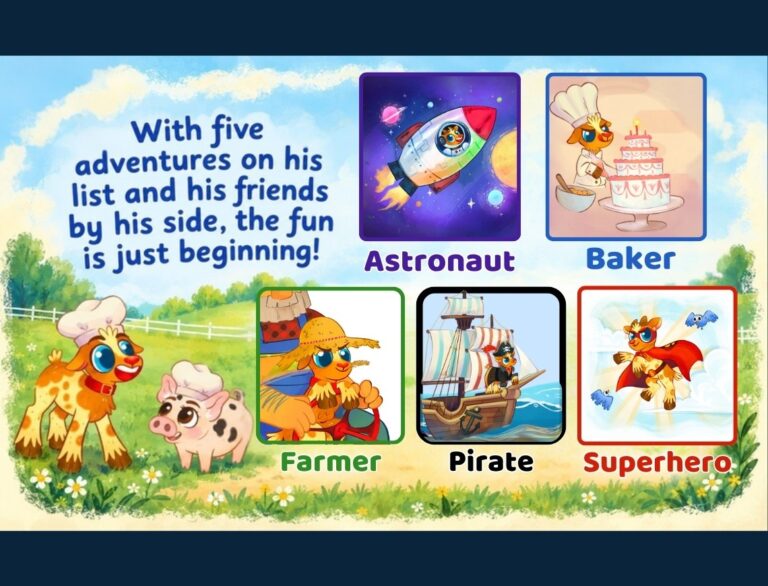 The Serious Business of Pretend: Why Imaginative Play Matters
 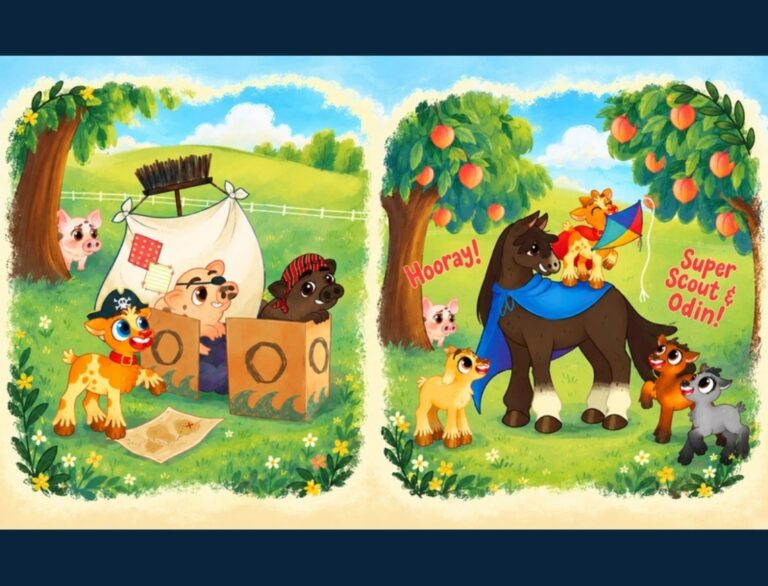 The Quiet Themes Inside Scout’s Adventure Day