
Everything educators need to bring Scout’s adventure into their learning spaces
Teachers, librarians, counselors, and educators of all kinds: this one’s for you. I’ve had so many requests for resources to accompany Scout’s Rainy Day that I’ve put together this comprehensive guide.
Use what works for your setting. Adapt freely. And please share what resonates with your students—I love hearing how Scout connects with kids in different learning environments.
Before Reading: Setting the Stage
Anticipation Questions (get kids thinking before you begin):
Have you ever been really, really excited about something?
What happens when plans change and you can’t do what you wanted?
How does your body feel when you’re disappointed?
Vocabulary Preview (words to introduce):
County Fair
Excitement / Anticipation
Disappointment
Imagination
Celebration
Prediction Activity: Show the cover and ask students what they think might happen. Why does Scout look wet? What could be going on?
During Reading: Engagement Strategies
Pause Points (natural stopping places for discussion):
After “This is going to be AMAZING!”
How is Scout feeling right now?
Have you ever felt this excited?
After “BOOM! CRACK!”
What do you think is going to happen?
How might Scout feel about this storm?
After “This is not fair!”
Is it okay for Scout to feel this way?
What would you do if you were Scout?
After Scout hears the laughter
What do you think is happening?
Why might Scout be curious?
After Scout creates the pumpkin bowling game
How has Scout’s mood changed?
What did Scout do to help himself feel better?
Interactive Elements:
Have kids make sound effects for BOOM! CRACK! CRASH! SPLASH!
Let them cheer during the race
Invite them to sigh along with Scout
After Reading: Discussion Questions
For Younger Readers (Ages 3-5):
How did Scout feel at the beginning? At the end?
What games did the animals play in the barn?
Who helped Scout feel better?
What’s your favorite rainy day activity?
For Older Readers (Ages 6-8):
Why do you think Scout’s feelings changed during the story?
What did Scout’s friends do that helped him?
How did Scout use his imagination to make the day fun?
Can you think of a time when something didn’t go as planned but turned out okay?
What does “This turned into the BEST rainy day ever” mean? Was it really better than the fair would have been?
For Deeper Discussions (Ages 7+):
Is it okay to be disappointed even when we know things will work out?
How did Luna help Scout without saying anything?
What’s the difference between Scout sulking alone and Scout joining his friends?
Why do you think Scout started creating games instead of just playing the ones his friends invented?
Classroom Activities
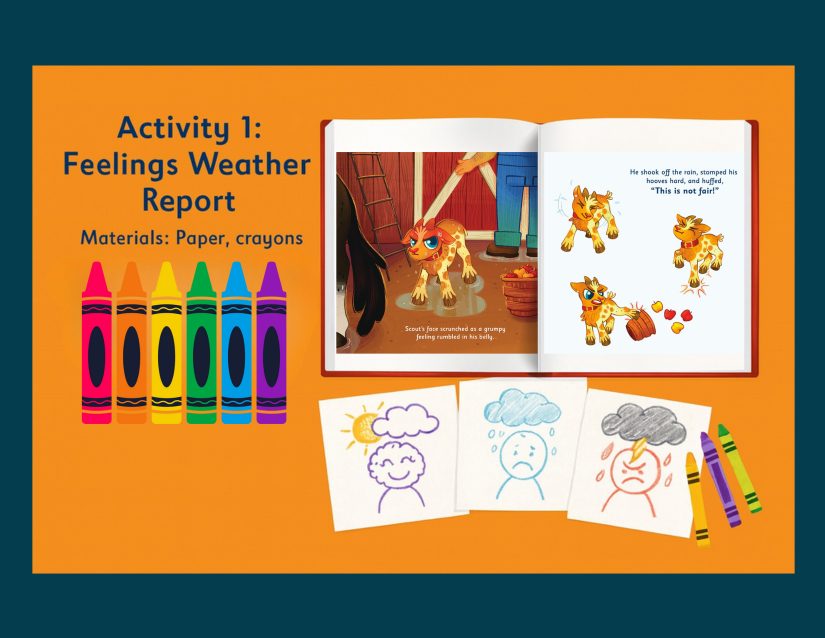
Activity 1: Feelings Weather Report
Materials: Paper, crayons
Students draw themselves as weather (sunny when happy, rainy when sad, stormy when angry). Discuss how our “internal weather” can change just like Scout’s did.
Activity 2: Plan B Brainstorm
Present scenarios where plans change and have students brainstorm alternative activities:
Birthday party at the park, but it rains
Field trip cancelled
Playdate friend gets sick
Pool closed for the day
Activity 3: Barn Fair Design
Students design their own “indoor fair” with games that could be played inside. What materials would they use? What would the prizes be?
Activity 4: Feelings Timeline
Create a timeline of Scout’s emotions throughout the story using faces or colors. This helps visual learners see the emotional arc.
Activity 5: Friendship Web
Map out how different characters helped each other in the story. Draw lines between characters showing how they supported one another.
Social Emotional Learning Connections
Scout’s Rainy Day aligns beautifully with SEL standards:
Self-Awareness: Recognizing and naming feelings (disappointment, frustration, joy)
Self-Management: Working through big emotions, adapting to change
Social Awareness: Noticing how friends feel, responding with empathy (Luna’s quiet support)
Relationship Skills: Cooperating, contributing to group fun, celebrating others
Responsible Decision-Making: Choosing to engage rather than withdraw, creating positive outcomes
Library Program Ideas
Rainy Day Story Time: Pair with other rainy day books, serve lemonade (rain becomes lemon-aid!)
Farm Friends Series: Read all three Goat on the Go books over three sessions
Feelings Festival: Combine with books about different emotions, create an emotions poster
Make Your Own Fair: After reading, set up simple fair games in the library (ring toss, bean bag throw)
Extension Activities
Writing Prompts:
Write about a time your plans changed unexpectedly
Create a new game Scout and friends could play in the barn
Write a letter to Scout about how you handle disappointment
Art Projects:
Create a sunflower wreath like Luna made for Scout
Draw your own barn fair scene
Design a poster advertising the Stephens Farm Barn Fair
Drama/Movement:
Act out the story with different students playing each animal
Create a “disappointment dance” that transforms into a “joy dance”
Play freeze dance and freeze as different emotions from the story
Cross-Curricular Connections
Science: Weather, rain cycles, why thunderstorms happen
Math: Counting games at the barn fair, measuring ingredients for fair treats
Music: Create a rainy day song, learn songs about weather
Physical Education: Organize your own class “barn Olympics” with racing and games
Parent Connection
Send home a note with discussion questions for families:
What do we do in our family when plans change?
How can we support each other when someone is disappointed?
What are our favorite rainy day activities?
Final Thoughts for Educators
The best thing about Scout’s Rainy Day is that it doesn’t moralize. Scout’s disappointment isn’t “wrong.” His anger isn’t punished. He’s allowed to feel all his feelings AND find his way to joy.
That’s what we want for all our students: the capacity to feel deeply AND the resilience to adapt.
Thank you for bringing Scout into your classrooms and libraries. You’re not just teaching literacy—you’re teaching life skills.
Next post: A fun rainy day activity inspired by Scout that you can do with kids at home (no craft skills required)!
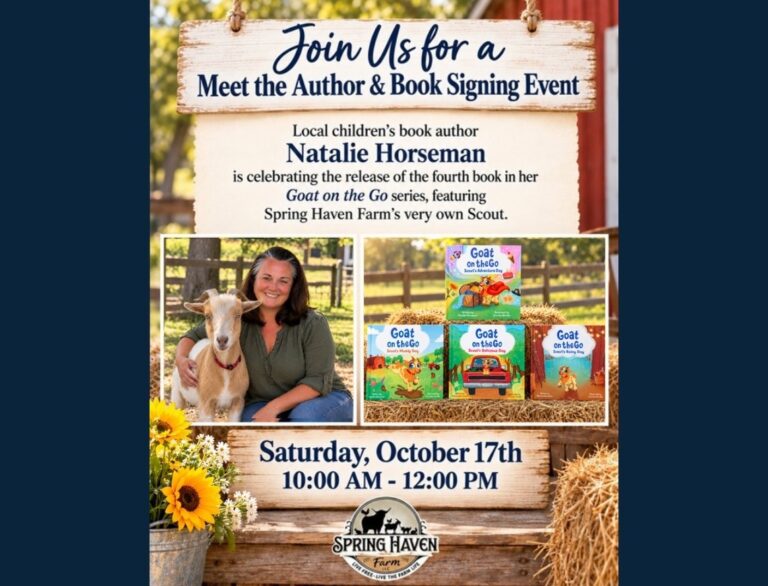 Our Book Launch Party at Spring Haven Farm
 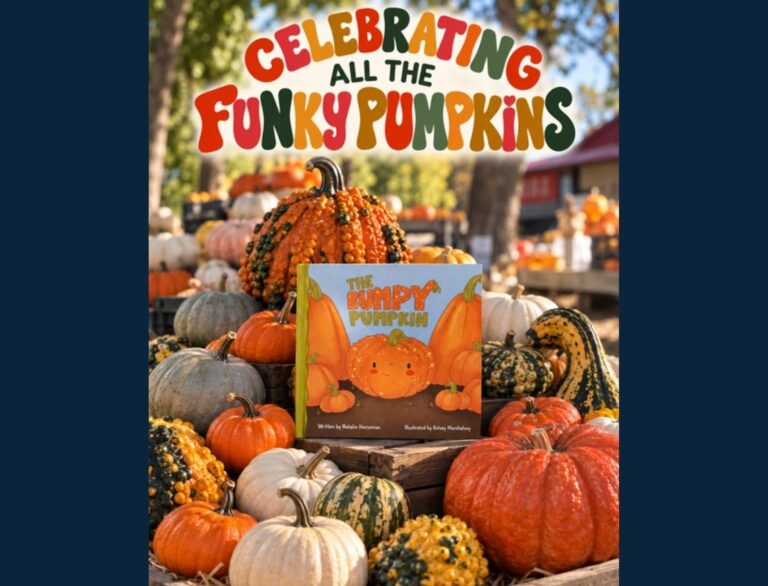 Do You Love Funky Pumpkins?